Blog

  • Essential Guidelines for Protecting and Preserving Trees

    Trees contribute significantly to the natural environment by providing oxygen, reducing air pollution, preventing soil erosion, and creating comfortable outdoor spaces. They also support biodiversity by offering food and shelter to birds, insects, and other wildlife. Although trees are naturally resilient, they can experience stress from changing weather conditions, poor soil quality, pests, and physical damage. Following proper tree care practices helps protect their health and maintain their beauty throughout the year.

    One of the first steps in preserving healthy trees is understanding their specific maintenance requirements. Every tree species has different needs regarding sunlight, moisture, nutrients, and available growing space. Providing suitable conditions from the beginning encourages healthy development and reduces the likelihood of future problems. Proper planting depth is particularly important because planting a tree too deeply can restrict root function and contribute to trunk problems.

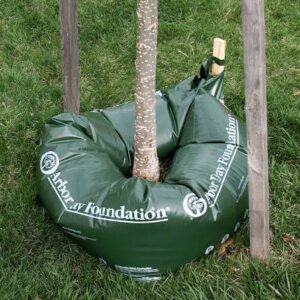
    Maintaining adequate soil moisture is another important responsibility. Water plays a vital role in transporting nutrients and supporting healthy growth. Newly planted trees benefit from regular, deep watering while their roots become established. During dry seasons, additional irrigation may be necessary to prevent moisture stress. Checking the soil before watering helps ensure that trees receive enough moisture without creating excessively wet conditions.

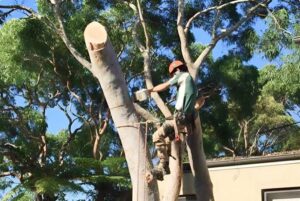
    Tree protection also involves maintaining strong and healthy branches. Regular inspections can reveal broken limbs, deadwood, and branches that interfere with nearby structures. Removing damaged growth through proper pruning helps improve safety and maintain a balanced canopy. Pruning should be performed carefully, as unnecessary cuts can expose trees to infections and reduce their natural strength.

    Another important consideration is preventing damage from insects and diseases. Trees may show signs of trouble through yellowing leaves, unusual spots, peeling bark, or declining branch growth. Monitoring these changes allows property owners to identify possible problems early. Professional tree care specialists can inspect affected trees and recommend appropriate solutions based on their condition.

    Protecting the surrounding environment is equally valuable. Avoiding construction activities near tree roots, preventing soil compaction, and maintaining suitable mulch coverage can improve growing conditions. Organic mulch also helps conserve water and gradually adds beneficial organic matter to the soil. However, it should never be placed directly against the trunk.

    In addition, trees should be inspected after severe weather events. Heavy rain, strong winds, and storms can cause hidden structural damage, broken branches, or exposed roots. Addressing these concerns promptly helps reduce safety risks and prevents further deterioration.

    In conclusion, preserving healthy trees requires regular observation, responsible maintenance, and suitable growing conditions. Proper watering, careful pruning, soil protection, and early detection of diseases can significantly improve tree health and longevity. By adopting these practices, property owners can protect valuable trees, enhance their surroundings, and contribute to a greener and more sustainable future.

  • Caring for Trees in Homes With Limited Outdoor Space

    I have seen many residential properties where homeowners want the benefits of healthy trees but have very little outdoor space. Small gardens, narrow side yards, paved courtyards, and compact front lawns can all make tree maintenance more challenging. The good news is that limited space does not mean a property has to remain without greenery. With thoughtful planning and regular care, even a small garden can support attractive, healthy trees.

    Selecting Trees That Suit Compact Gardens

    The first decision should always be choosing a tree that fits the available space when fully grown. I have seen homeowners plant young trees because they look neat and manageable, only to discover several years later that their branches are pressing against walls or blocking windows. A tree’s appearance at the nursery does not tell you how much room it will eventually need.

    Before selecting a species, I consider its mature height, canopy width, growth rate, and general maintenance requirements. Some ornamental trees remain relatively compact, while certain fruit trees can be maintained at a manageable size with suitable pruning. The best choice depends on local climate, sunlight, soil conditions, and the amount of space available.

    It is also important to think about the position of nearby buildings, fences, walkways, and underground services. A tree should have enough room for its roots and branches to develop without creating constant conflicts with the property.

    Making the Most of Available Sunlight

    Small gardens often have complicated sunlight patterns. A neighbouring building, boundary wall, or large structure may cast shadows across much of the planting area. Before choosing a tree, I recommend observing the garden at different times of the day.

    Some species need several hours of direct sunlight to grow well, while others tolerate partial shade. Planting a sun-loving tree in a permanently shaded corner can result in weak growth, poor foliage, and limited flowering. Matching the tree to the available light makes long-term maintenance easier.

    The direction of sunlight also matters when placing a tree near windows or outdoor seating areas. A carefully positioned tree can provide useful shade during warmer months without making the entire garden dark.

    Managing Tree Size With Proper Pruning

    Pruning is particularly important in compact gardens, but it should never become an attempt to force a naturally large tree into an unsuitable location. I focus on maintaining a healthy structure rather than cutting branches simply because they extend beyond a preferred shape.

    Young trees benefit from early structural pruning when necessary. Removing damaged, crossing, or poorly positioned branches can help establish a balanced framework. Once the tree matures, maintenance should focus on deadwood, weak growth, and branches that create genuine safety or clearance concerns.

    I avoid excessive topping because removing large portions of the canopy can cause stress and encourage weak regrowth. If a tree has outgrown its location, consulting a qualified arborist about suitable options is usually better than repeatedly cutting it back.

    Protecting Roots in Small Planting Areas

    Limited garden space often means tree roots share the same soil with paving, garden beds, and building foundations. This makes soil management especially important. Roots need oxygen, moisture, and enough room to spread, so constantly covering the ground with concrete or compacting it with heavy objects can affect tree health.

    I recommend keeping a suitable mulched area around the base of the tree. Organic mulch helps retain moisture, reduces temperature changes in the soil, and limits competition from weeds. It should not be piled against the trunk because trapped moisture can contribute to bark problems.

    Watering should be based on soil conditions rather than a fixed schedule. Small planting areas may dry out quickly, especially during hot weather, but excessive watering can also cause problems. Checking soil moisture before watering helps maintain a more balanced environment.

    Keeping Trees Healthy Near Walls and Paved Surfaces

    Trees planted close to walls, patios, and walkways need regular observation. As branches grow, they may rub against buildings or interfere with access. Roots can also encounter compacted ground or limited soil volume.

    When planning a new planting area, I prefer leaving as much open soil as possible around the tree. If paving is necessary, choosing suitable permeable materials can help water reach the ground. The design should also allow enough room for routine maintenance without damaging the trunk or major roots.

    Existing trees should not be treated as obstacles that need constant cutting. Sometimes a small adjustment to a garden path, seating arrangement, or nearby planting bed can provide the tree with more suitable growing conditions.

    Preventing Pests and Common Tree Problems

    Trees in small gardens may experience stress when surrounded by hard surfaces, poor airflow, or unsuitable planting conditions. Stress can make them more vulnerable to certain pests and diseases. Regular inspections help identify problems before they become severe.

    I look closely at leaves, stems, bark, and the main branch structure. Discoloured foliage, unusual spots, sticky residue, and sudden leaf loss can indicate a problem that needs further attention. However, similar symptoms can have different causes, so treatment should be based on proper identification.

    Good maintenance is often more useful than unnecessary chemical treatments. Appropriate watering, clean pruning tools, suitable soil conditions, and removal of seriously affected plant material can support healthier growth. If a tree shows significant decline, a qualified tree-care professional should inspect it.

    Creating a Practical Long-Term Care Routine

    A small garden does not necessarily require complicated tree maintenance. What matters is having a routine that matches the tree’s needs. I recommend checking soil moisture, inspecting foliage, looking for damaged branches, and keeping the area around the trunk clear of weeds and unnecessary materials.

    Seasonal inspections are also useful because trees change throughout the year. New growth, flowering, fruit development, and leaf drop can all provide information about general health. Keeping a simple record of unusual changes can make it easier to identify recurring issues.

    Homeowners should also review their planting choices as the garden develops. A tree that once had plenty of room may eventually become crowded by new structures or neighbouring plants. Addressing space problems early is usually easier than waiting until the tree becomes difficult to manage.

    Enjoying Healthy Trees in a Small Garden

    Limited outdoor space can still support a beautiful and functional landscape. The most successful approach is to choose suitable trees, protect their growing environment, and maintain them according to their natural needs. Careful positioning and sensible pruning can help prevent many common problems.

    I always encourage homeowners to think about the tree’s future size before planting it. A well-selected tree can provide shade, seasonal colour, privacy, and habitat for birds without overwhelming the property. With consistent attention, even a compact garden can become a pleasant green space that remains attractive for many years.

  • Why Consistent Tree Care Matters for a Sustainable Environment

    Trees are among the most valuable natural resources, contributing to environmental stability and improving the quality of life in residential and urban areas. They absorb carbon dioxide, release oxygen, provide shade, and create habitats for birds and beneficial insects. Despite their ability to grow naturally, trees still require proper maintenance to remain healthy and withstand environmental challenges. Consistent tree care helps protect these natural assets and supports sustainable landscapes.

    An important part of maintaining healthy trees is paying attention to their growing conditions. Soil quality, sunlight exposure, water availability, and surrounding space all influence how successfully a tree develops. When planting new trees, selecting species that match the local climate and soil conditions can make a significant difference. Proper placement also allows roots and branches to expand without creating unnecessary problems for nearby structures.

    Water management is another essential element of tree maintenance. Trees need sufficient moisture to support healthy leaves, branches, and root systems. Young trees require regular watering during their establishment period, while older trees may need extra attention during hot and dry conditions. Applying water slowly around the root zone helps moisture penetrate the soil more effectively. At the same time, avoiding excessive irrigation protects roots from problems associated with waterlogged soil.

    Regular pruning is necessary to maintain healthy growth and reduce potential hazards. Dead, damaged, and diseased branches should be removed using appropriate techniques. Proper pruning can improve the tree’s structure, increase airflow, and allow sunlight to reach different areas of the canopy. However, unnecessary cutting should be avoided because removing too much foliage can interfere with the tree’s ability to produce energy.

    Protecting trees from pests and diseases is equally important. Insects, fungal infections, and environmental stress can gradually weaken trees if problems remain unnoticed. Examining leaves, branches, and trunks regularly helps identify unusual changes. Early detection allows property owners to seek suitable treatments and prevent minor concerns from developing into more serious conditions.

    Mulching and soil protection also contribute to long-term tree health. Organic mulch helps retain moisture, control weeds, and regulate soil temperature. Keeping the surrounding root area free from excessive disturbance allows roots to absorb nutrients and water more effectively. These simple practices can significantly improve growing conditions.

    Ultimately, responsible tree care is an investment in environmental sustainability. Regular inspections, appropriate watering, careful pruning, and proper soil management help trees remain strong and productive. By making tree maintenance a consistent priority, individuals and communities can preserve natural beauty, support biodiversity, and create healthier outdoor environments for future generations.

  • Protecting Trees From Damage Caused by Underground Utilities

    I have worked on residential landscapes where healthy trees were growing close to underground water pipes, drainage systems, electrical cables, and other utility lines. These situations require careful planning because tree roots naturally spread through the soil in search of moisture, oxygen, and nutrients. When roots encounter underground infrastructure, problems can develop for both the tree and the property. Good tree care means understanding what is happening beneath the ground before planting, digging, or making major landscape changes.

    Why Underground Utilities Matter for Tree Health

    Tree roots do not grow randomly. They respond to soil conditions, moisture levels, available nutrients, and the amount of space around them. In many landscapes, underground utility corridors provide soil that is relatively loose or regularly disturbed. This can create conditions where roots are more likely to spread.

    Water leaks can attract roots because they provide a consistent source of moisture. However, roots generally enter pipes through existing cracks, loose joints, or damaged connections rather than breaking through sound, intact pipes. Once inside, they can grow and create blockages that affect drainage and plumbing.

    Electrical and communication cables also need consideration when planning tree locations. Some cables are buried at relatively shallow depths, while others follow deeper routes. Digging near these lines can damage infrastructure and create serious safety risks. Before planting a tree or removing soil, I always recommend identifying the location of underground services.

    Choosing Suitable Trees for Restricted Areas

    Selecting the right tree is one of the most effective ways to prevent future problems. A large shade tree may look attractive in a small front garden, but its mature size and root system may not suit the available space. Choosing a tree based only on its appearance when young can lead to expensive maintenance later.

    I prefer considering the expected height, canopy width, growth rate, and root characteristics before recommending a species. Smaller ornamental trees may be more suitable for narrow planting areas, although no tree should be assumed to have completely harmless roots. Even smaller species need enough room to develop naturally.

    It is also important to consider the tree’s mature canopy. Branches should not interfere with overhead wires, buildings, or access routes. A suitable planting choice should work with both the visible landscape and the underground conditions.

    Planning Before Digging or Planting

    Before starting any planting project, I recommend checking for buried utilities. Homeowners sometimes assume that a small planting hole cannot cause damage, but even shallow digging can reach important cables or pipes. The safe approach is to contact the relevant utility-location service and follow local requirements before disturbing the ground.

    Once underground services have been identified, the planting position can be adjusted. In some cases, moving a tree only a few feet can make a meaningful difference. In other situations, a container planting arrangement or a different type of landscape feature may be more appropriate.

    I also pay attention to existing drainage patterns. Areas where water regularly collects may indicate drainage problems or unsuitable soil conditions. Planting directly over a suspected leaking pipe is not a good solution. The underlying issue should be investigated before introducing a new tree.

    Managing Roots Without Harming the Tree

    When roots grow close to underground infrastructure, it can be tempting to cut them back aggressively. I advise against doing this without understanding the tree’s structure and condition. Large roots help anchor the tree, while smaller roots absorb water and nutrients. Removing important roots can weaken stability and affect the tree’s ability to survive.

    If roots are causing problems, a qualified arborist can assess the situation and recommend an appropriate approach. Depending on the location, possible solutions may include repairing damaged pipes, adjusting nearby landscaping, or using professionally installed root-management systems.

    Root barriers can sometimes help guide future root growth away from sensitive areas. However, they need to be designed and installed correctly. Poor placement can restrict root development, affect soil moisture, or create new problems elsewhere.

    Keeping Soil Healthy Around Utility Corridors

    Soil conditions have a major influence on root development. Compacted soil can restrict oxygen movement and make it harder for roots to grow normally. This is common in gardens where vehicles, construction equipment, or heavy foot traffic repeatedly pass over the same ground.

    I recommend keeping heavy equipment away from the root zones of established trees whenever possible. Adding organic mulch can help protect the soil surface, reduce moisture loss, and support beneficial soil organisms. Mulch should be spread evenly rather than piled against the trunk.

    Watering also needs attention. Trees should receive enough moisture to support healthy growth, but constant saturation can create poor root conditions. If a particular area remains unusually wet, checking for drainage issues or leaking infrastructure is more useful than simply changing the watering schedule.

    Inspecting Trees Near Pipes and Cables

    Regular inspections help identify early signs of trouble. I look for changes in leaf colour, unusual branch dieback, poor annual growth, and signs of soil movement around the base of a tree. These symptoms do not automatically indicate underground utility damage, but they can show that the tree is experiencing stress.

    Property owners should also watch for recurring drainage blockages, unexplained wet patches, or changes in water usage. These issues may have several causes, so a qualified plumber or utility professional should investigate suspected pipe problems.

    Tree inspections are especially important after nearby excavation or construction work. Even when a tree is not directly disturbed, changes to soil levels and drainage can affect its root system. Early assessment can prevent a manageable issue from becoming a major problem.

    Building a Landscape That Works for the Future

    Healthy trees and reliable underground utilities can exist together when both are considered during landscape planning. The key is to avoid placing unsuitable trees in restricted spaces and to protect existing roots during construction and maintenance work.

    I encourage homeowners to think beyond the planting day. A young tree may look small and easy to manage, but it will need more room as it matures. Planning for its future size, maintaining healthy soil, and arranging regular inspections can reduce conflicts with underground infrastructure.

    With careful species selection and responsible maintenance, trees can provide shade, improve the appearance of a property, and support local wildlife without creating unnecessary problems for buried services. A little preparation before digging or planting can save considerable time and expense in the years ahead.

  • Practical Tree Care Tips for Stronger and Longer-Living Trees

    Trees are valuable features of any outdoor environment because they provide shade, improve air quality, support wildlife, and enhance the appearance of residential and commercial properties. However, keeping trees in good condition requires regular maintenance and an understanding of their natural needs. Proper tree care helps prevent common problems, encourages healthy development, and ensures that trees continue providing environmental benefits for many years.

    One important aspect of tree maintenance is understanding how different trees respond to their surroundings. Factors such as sunlight, soil type, temperature, and available space can influence their growth. Selecting tree species that are suitable for local environmental conditions can reduce maintenance requirements and improve their chances of surviving seasonal changes. Providing enough space for branches and roots also prevents unnecessary conflicts with nearby structures.

    Healthy root development is another major factor in long-term tree growth. Roots absorb water and nutrients while keeping trees firmly anchored in the ground. Protecting the soil around the root zone from construction activities, excessive foot traffic, and heavy machinery helps maintain proper root function. Applying organic mulch can further support root health by conserving moisture and regulating soil temperature.

    Proper watering habits also contribute to stronger trees. Newly planted trees need consistent moisture while establishing their root systems, whereas mature trees generally require additional watering during extended dry periods. Deep watering allows moisture to reach deeper soil layers and encourages stronger root development. However, it is important to maintain proper drainage because waterlogged soil can negatively affect root health.

    Pruning should be performed whenever necessary to maintain a safe and balanced tree structure. Dead, broken, and diseased branches can become hazards if they are left unattended. Removing these branches carefully improves the tree’s appearance and reduces the likelihood of falling limbs. It is also important to avoid excessive pruning because healthy foliage is necessary for producing the energy trees need to grow.

    Another essential practice is monitoring trees for signs of insects and diseases. Changes in leaf color, unusual growth, damaged bark, and visible fungal activity can indicate health problems. Regular inspections allow property owners to identify concerns early and seek suitable treatment. Professional arborists can provide additional guidance when a tree has serious structural damage or persistent health issues.

    In addition to these practices, maintaining a clean and suitable growing environment helps trees thrive. Removing competing weeds, protecting the trunk from accidental damage, and avoiding unnecessary chemical applications can support healthier landscapes. Seasonal inspections are particularly useful for identifying problems caused by extreme weather and changing environmental conditions.

    In conclusion, successful tree care requires patience, consistency, and responsible maintenance. By protecting roots, providing adequate water, pruning correctly, and monitoring overall health, property owners can encourage stronger growth and extend the lifespan of their trees. These efforts create attractive outdoor spaces while helping preserve natural resources and environmental quality for future generations.

  • Building a Healthier Landscape with Proper Tree Care

    A healthy landscape begins with well-maintained trees that provide natural beauty, environmental protection, and long-term value to outdoor spaces. Trees play an important role in reducing air pollution, controlling soil erosion, providing shade, and creating habitats for different species of wildlife. However, maintaining these benefits requires regular attention and responsible tree care practices. Understanding how to protect trees from common problems can help property owners maintain attractive and sustainable landscapes.

    One important consideration is selecting the appropriate trees for the available space. Different species have different growth patterns, root structures, and environmental requirements. Before planting, it is helpful to consider soil quality, sunlight exposure, drainage, and the amount of room available for mature growth. Choosing suitable tree varieties can prevent future maintenance difficulties and support healthier development.

    Proper irrigation is another essential part of maintaining a thriving landscape. Trees need sufficient water to transport nutrients, support photosynthesis, and maintain healthy foliage. Newly planted trees require special attention because their roots are still adjusting to the surrounding soil. Deep watering helps encourage roots to grow downward, making trees more resilient during dry periods. Monitoring soil moisture also prevents unnecessary watering that could damage the root system.

    Maintaining healthy branches is equally important. Over time, trees may develop dead limbs, damaged branches, or crowded growth that affects their structure. Careful pruning helps remove unwanted growth and reduces potential safety concerns. It can also improve the overall appearance of trees while allowing better sunlight penetration and air circulation. Proper pruning techniques are essential because incorrect cuts can create wounds and increase the risk of disease.

    Soil protection should never be overlooked when caring for trees. Compacted soil can prevent roots from receiving sufficient oxygen and water. Applying organic mulch around the root area helps retain moisture, regulate soil temperature, and improve soil quality as the material decomposes. Property owners should also avoid piling soil or mulch against tree trunks because this can contribute to bark damage and decay.

    Another important responsibility is monitoring tree health throughout the growing season. Discolored leaves, unusual spots, damaged bark, and declining branches can indicate pests, diseases, or environmental stress. Identifying these symptoms early makes it easier to determine the appropriate response. Professional arborists can assess complicated problems and recommend suitable maintenance or treatment options.

    Ultimately, proper tree care is about maintaining healthy growing conditions and preventing avoidable damage. Through thoughtful planting, appropriate irrigation, responsible pruning, and regular inspections, property owners can support stronger trees and more attractive landscapes. Consistent maintenance protects the value of outdoor spaces while contributing to a healthier and greener environment for generations to come.

  • Caring for Trees That Grow Close to Property Boundaries

    Trees planted along property boundaries can provide privacy, shade, and a natural separation between neighboring gardens. They can also make an outdoor space feel more established and attractive. However, trees growing near fences, walls, driveways, and neighboring buildings need thoughtful maintenance. Their branches may spread beyond the available space, roots can interact with nearby structures, and limited access can make routine care more difficult. I always consider these factors when planning tree maintenance around residential boundaries.

    Choosing the Right Location for Boundary Trees

    The best time to prevent boundary-related problems is before planting. A young tree may look small enough to fit beside a fence, but its mature height and canopy width can eventually create a very different situation.

    I recommend checking the expected size of a tree before choosing its position. Smaller varieties are often more practical for narrow garden boundaries, while larger trees need sufficient space for their branches and roots to develop.

    The type of boundary also matters. A lightweight fence, brick wall, and retaining wall have different structural characteristics. Planting a large tree close to a wall without considering its growing requirements may create avoidable maintenance challenges.

    It is also worth checking local planting rules and property restrictions before adding trees near shared boundaries. Understanding these requirements early can prevent disagreements later.

    Managing Branches That Extend Over Fences

    One of the most common concerns with boundary trees is branch growth beyond the property line. Branches may eventually extend over neighboring gardens, roofs, pathways, or outdoor seating areas.

    I prefer regular inspections rather than waiting until branches become difficult to manage. Small structural problems can often be identified before they require extensive work.

    Pruning should preserve the tree’s natural shape and overall health. Removing large sections simply to force a tree into a narrow space can create weak growth and unnecessary stress.

    Before carrying out work involving branches that cross a boundary, homeowners should understand the applicable local laws and property agreements. Requirements differ by location, and it is sensible to discuss the work with neighbors when appropriate.

    Understanding Roots Near Walls and Foundations

    Tree roots naturally expand through soil in search of moisture, oxygen, and nutrients. Their growth pattern depends on soil conditions, available space, and the species. Roots may sometimes encounter walls, paving, or other structures as they develop.

    It is important not to assume that every crack or raised paving stone near a tree has been caused by its roots. Ground movement, poor construction, drainage problems, and natural soil changes can also contribute.

    If a boundary wall begins to crack or move, both the tree and the structure should be assessed. Cutting major roots without professional advice can affect the tree’s stability and may create a greater safety concern.

    When planting new trees, I recommend leaving enough distance between the trunk and nearby structures. This allows the tree to develop more naturally and reduces the likelihood of future conflicts.

    Keeping Trees Healthy in Narrow Spaces

    Boundary planting areas are often limited by fences on one side and lawns, paths, or buildings on the other. This can restrict sunlight, airflow, and access for maintenance.

    I pay attention to whether nearby structures create too much shade for the selected species. Some trees tolerate partial shade, while others need more direct sunlight to grow well.

    Soil conditions also deserve attention. Narrow planting beds can become compacted when people regularly walk or store items close to the tree. Keeping unnecessary activity away from the root area helps maintain better growing conditions.

    Mulch can support the soil by reducing moisture loss and limiting weed competition. I apply it in a moderate layer and leave space around the trunk to prevent excessive moisture against the bark.

    Maintaining Privacy Without Overcrowding

    Trees are often planted along boundaries to create natural privacy. However, planting too many trees close together can result in overcrowding as they mature.

    When branches compete for light and growing space, some sections may become thin or lose their natural shape. Poor airflow can also make certain pest and disease problems more difficult to manage.

    A better approach is to select an appropriate number of trees and allow enough space between them. A combination of suitable trees and shrubs can create an attractive privacy screen without filling every available area.

    I also consider the desired level of privacy throughout the year. Evergreen varieties retain foliage during most seasons, while deciduous trees provide a different appearance as their leaves change and fall.

    Inspecting Trees After Strong Winds

    Trees growing along boundaries may be exposed to changing wind conditions because of nearby buildings, fences, and open spaces. Strong winds can damage weak branches or reveal existing structural problems.

    After severe weather, I check for hanging limbs, fresh cracks, broken branches, and changes around the trunk. I also look for soil movement that may indicate a problem with the tree’s stability.

    A tree that suddenly begins leaning should be treated seriously. Keep people away from the affected area and arrange an assessment from a qualified arborist. Attempting to straighten a mature tree without understanding the cause of the movement can make the situation worse.

    Routine inspections are useful even when there has been no storm. They help identify gradual changes before branches become hazardous.

    Coordinating Maintenance With Neighbors

    Trees along shared boundaries can affect more than one property. Fallen leaves, overhanging branches, shade, and root-related concerns may become sources of disagreement if communication is poor.

    I believe it is helpful to discuss major maintenance work before it begins. A simple conversation can clarify concerns about access, timing, and the expected result.

    Professional tree contractors can also explain which work is necessary for tree health and which requests may be unsuitable. Their assessment can help separate genuine safety issues from ordinary seasonal growth.

    Where a tree is close to a neighboring building or shared structure, careful planning protects both the property and the tree.

    Creating a Long-Term Boundary Tree Care Plan

    Healthy boundary trees require a balance between natural growth and practical property needs. Suitable species, proper planting distances, careful pruning, and regular inspections can make long-term maintenance much easier.

    I recommend keeping a simple record of major pruning work, visible changes, and any concerns involving nearby structures. Photographs can help track the tree’s development and provide useful information during professional inspections.

    The purpose of tree care should not be to control every branch or remove every natural feature. It should be to maintain healthy growth while respecting the available space and surrounding property.

    With thoughtful planning and consistent attention, boundary trees can provide privacy, beauty, and shade without becoming a constant source of maintenance problems.

  • The Role of Preventive Maintenance in Tree Care

    Trees require consistent attention to remain healthy, stable, and capable of providing environmental benefits. From improving air quality to creating natural shade and supporting wildlife, trees contribute significantly to the quality of outdoor spaces. However, environmental stress, pests, diseases, and poor maintenance can gradually affect their condition. Preventive tree care is an effective way to identify potential problems early and maintain healthy growth throughout the year.

    One of the most useful preventive measures is conducting regular tree inspections. Examining leaves, branches, trunks, and surrounding soil can reveal early signs of damage or declining health. Cracked bark, unusual leaf discoloration, dead branches, and fungal growth may indicate underlying problems. Recognizing these warning signs allows property owners to seek appropriate solutions before the condition becomes more serious.

    Maintaining proper soil conditions is another important part of preventive tree care. Tree roots depend on healthy soil for oxygen, moisture, and essential nutrients. Excessive foot traffic, construction work, and heavy equipment can compact the soil and restrict root development. Protecting the root zone and applying organic mulch can improve soil conditions while helping maintain consistent moisture levels.

    Watering practices should also be adjusted according to the tree’s age, species, and surrounding environment. Young trees generally require more frequent watering while their root systems become established. Mature trees may need additional moisture during prolonged dry weather. Providing water slowly and deeply encourages healthy root development, while avoiding excessive watering helps prevent root damage.

    Pruning is another valuable maintenance activity that supports tree structure and safety. Removing dead, damaged, or diseased branches can reduce the risk of falling limbs and improve the overall appearance of a tree. However, pruning should be performed carefully to avoid unnecessary wounds and excessive removal of healthy branches. Large or hazardous trees should be assessed by qualified arborists.

    Protecting trees from insects and diseases is equally important. Some pests damage leaves, while others affect bark, branches, and roots. Regular monitoring helps identify unusual insect activity and other symptoms. Choosing suitable treatment methods based on professional recommendations can protect trees while reducing unnecessary environmental impacts.

    Weather preparation is also an important consideration. Heavy rain, strong winds, and extreme temperatures can weaken branches or affect tree stability. Inspecting trees after severe weather helps identify damage that may require professional attention. Maintaining suitable growing conditions throughout the year can also improve a tree’s ability to handle environmental changes.

    In conclusion, preventive maintenance is essential for keeping trees healthy, safe, and attractive. Through regular inspections, responsible pruning, proper watering, soil protection, and early pest detection, property owners can reduce potential problems and encourage long-term growth. Consistent tree care not only protects individual trees but also contributes to healthier communities and a greener environment.

  • Helping Trees Recover After Landscape Renovations

    Landscape renovations can improve the appearance and usefulness of an outdoor space, but construction and planting work may place unexpected stress on existing trees. Changes to soil levels, damaged roots, heavy equipment, and altered drainage can all affect tree health. I have found that homeowners often focus on the finished garden while overlooking how renovation work may influence the trees that were already growing there. Protecting these established features should be part of every landscape improvement plan.

    Understanding How Renovations Affect Trees

    Trees can be affected by renovation work even when their trunks and branches remain untouched. Many roots grow close to the soil surface, where they can be exposed to excavation, paving installation, and repeated machinery movement.

    For example, installing a new walkway may require removing soil or compacting the ground. Both activities can interfere with the root environment. A tree might continue looking healthy immediately after construction, but signs of stress may appear later as its ability to absorb water and nutrients becomes affected.

    Changes to the surrounding landscape can also influence sunlight and airflow. New walls, fences, sheds, and other structures may create additional shade or change how wind moves through the garden.

    Before beginning a renovation, I recommend identifying the existing trees and considering how each part of the project could affect them.

    Protecting Root Zones During Construction

    Root protection should begin before contractors arrive. A visible protective boundary around important trees helps prevent unnecessary vehicle movement, material storage, and excavation near their roots.

    The protected area should be determined according to the tree’s size, species, condition, and surrounding conditions. Simply protecting the trunk is not enough because roots may extend well beyond the canopy.

    I also recommend keeping construction materials, fuel, cement mixtures, and waste away from planting areas. Spills and changes in soil conditions can create problems that may be difficult to correct later.

    If excavation close to an established tree is unavoidable, an arborist should assess the proposed work. This can help identify important roots and determine whether the design needs adjustment.

    Recognizing Signs of Root Damage

    Root damage does not always produce immediate changes in a tree’s appearance. Some trees have enough stored resources to maintain their foliage for a period after suffering disturbance. This can make early problems difficult to recognize.

    Over time, affected trees may develop smaller leaves, reduced growth, premature leaf drop, or drying branches. The severity depends on how much of the root system has been damaged and the tree’s overall condition.

    I pay attention to changes in the soil around the trunk as well. Fresh excavation, exposed roots, soil cracking, and compacted ground can provide useful clues about what happened during renovation work.

    If a tree begins declining after construction, avoid immediately applying fertilizer or cutting large branches. These actions may not address the actual cause. A qualified arborist can inspect the tree and recommend appropriate care.

    Restoring Suitable Soil Conditions

    After a renovation, the soil around trees may be different from what it was before construction. It could contain compacted layers, construction debris, or additional fill material. These changes may restrict the movement of air and water through the ground.

    I recommend checking the soil before attempting improvements. Removing debris from accessible areas and correcting obvious surface problems can help, but deep digging around established trees may cause additional root damage.

    Organic mulch is often useful for improving the surface environment. It helps reduce moisture loss, moderates soil temperature, and gradually contributes organic material as it decomposes.

    The mulch should be applied evenly and kept away from the trunk. A thick mound around the base can trap moisture against the bark and encourage decay.

    Where serious compaction is present, professional soil assessment may be necessary. Some improvement methods can damage roots if they are used without understanding the tree’s location and condition.

    Checking Drainage After Landscaping Work

    Landscape renovations often change how water moves across a property. New patios, retaining walls, garden beds, and drainage channels may redirect rainfall toward or away from existing trees.

    A tree that previously received regular rainfall may become dry if new paving prevents water from reaching its root area. Another tree may experience excessive moisture if a downpipe or drainage outlet sends water toward its base.

    I recommend observing the garden during and after rainfall. Look for water collecting in unexpected locations, soil washing away, or areas that remain unusually wet.

    Correcting drainage should be done carefully. Installing pipes or digging trenches close to mature trees can disturb important roots. If the problem involves both a tree and a structural drainage system, the relevant professionals should coordinate their work.

    Adjusting Watering After Renovation

    Once construction is complete, the previous watering routine may no longer be suitable. New paving, altered planting beds, and changes in soil conditions can affect how much moisture reaches a tree.

    I check the soil before deciding whether additional water is necessary. Moisture should reach the root area without leaving the ground constantly saturated.

    Trees that have experienced root disturbance may need closer monitoring during dry weather. However, watering alone cannot repair severe structural root damage. The tree’s overall condition should be assessed before creating a long-term treatment plan.

    Newly installed irrigation systems also deserve inspection. Sprinklers and drip lines should be positioned so that they provide appropriate coverage without repeatedly wetting the trunk.

    Avoiding Unnecessary Pruning During Recovery

    Homeowners sometimes request heavy pruning when a tree looks stressed after renovation. They may believe that removing branches will reduce the tree’s need for water. In reality, excessive pruning can remove foliage needed for energy production and place additional pressure on an already affected tree.

    I prefer a careful approach that focuses on clearly dead, broken, or dangerous branches. Healthy branches should generally remain unless there is a specific reason to remove them.

    The correct timing depends on the species, weather, and condition of the tree. If significant decline is visible, professional assessment should come before major pruning decisions.

    Monitoring Progress Over Time

    Tree recovery can take longer than homeowners expect. A tree may need several growing seasons to respond fully to improved conditions, depending on the extent of the disturbance.

    I recommend taking photographs from consistent positions and comparing the tree’s foliage, branch growth, and overall appearance over time. Keeping records of watering, pruning, and visible symptoms can also help identify whether the condition is improving.

    If the tree continues to decline, develops a sudden lean, or shows major branch failure, arrange an inspection promptly. Restrict access beneath an apparently unstable tree until it has been assessed.

    Making Tree Protection Part of Future Projects

    A successful landscape renovation should improve the property without unnecessarily sacrificing established trees. Early planning, root protection, careful soil management, and proper drainage can reduce the risk of long-term damage.

    I believe trees should be treated as important parts of the renovation plan rather than obstacles to work around at the last moment. Their size, root systems, and growing requirements deserve attention before construction begins.

    With sensible preparation and ongoing monitoring, homeowners can enjoy an improved outdoor space while giving existing trees the best possible chance to remain healthy for years to come.
  • Maintaining Healthy Trees Through Proper Care and Attention

    Trees are an essential part of a healthy environment, offering benefits that extend far beyond their natural beauty. They provide shade, improve air quality, support biodiversity, and help maintain ecological balance. Whether planted in a backyard, along a roadside, or within a large commercial landscape, trees need proper care to develop strong structures and remain healthy. Regular maintenance can prevent many common problems and extend the life of valuable trees.

    An important part of maintaining healthy trees is understanding their nutritional requirements. Trees obtain essential nutrients from the soil, which support root development, leaf production, and overall growth. Poor soil conditions can limit their ability to absorb these nutrients. Adding organic materials, maintaining suitable soil moisture, and preventing excessive soil compaction can create a healthier growing environment. Soil testing can also help determine whether additional nutrients are necessary.

    Another valuable tree care practice is protecting young trees during their early development. Newly planted trees are more vulnerable to environmental stress, strong winds, and irregular watering. Providing appropriate support when needed and maintaining consistent soil moisture can help them establish strong root systems. Tree guards may also protect young trunks from accidental damage caused by lawn equipment or animals.

    Regular canopy maintenance is equally important. Trees can develop crowded branches that compete for sunlight and restrict airflow. Careful pruning helps remove dead or damaged growth while maintaining a balanced structure. It is important to use clean, sharp tools and avoid removing excessive amounts of healthy foliage. Proper pruning techniques support natural growth and reduce unnecessary injuries.

    Pest prevention should also be included in a regular tree care routine. Insects and diseases can weaken trees, damage leaves, and affect branch development. Inspecting the trunk, leaves, and branches regularly helps identify unusual symptoms before they become severe. When problems appear, professional advice can help determine the most appropriate treatment and prevent unnecessary damage to the surrounding environment.

    Additionally, maintaining the surrounding landscape can make a significant difference in tree health. Avoiding unnecessary digging near roots, controlling competing weeds, and applying suitable mulch can improve growing conditions. Property owners should also inspect trees after storms to identify broken branches, exposed roots, or other structural concerns that may require attention.

    In conclusion, healthy trees depend on consistent care, suitable growing conditions, and timely maintenance. By focusing on soil health, proper watering, responsible pruning, and pest prevention, property owners can encourage stronger growth and protect their landscapes. Investing time in proper tree maintenance creates lasting environmental benefits and helps preserve beautiful outdoor spaces for years to come.